If you have a playground at home, a school, or a community space, you have probably wondered how to keep it safe and easy to maintain year-round. Natural grass can become muddy, uneven, and worn out fast, especially in high-traffic play areas. That is where synthetic turf comes in as a practical, long-term alternative.
This article walks you through why more families and property owners in the Stamford area are turning to safe synthetic turf for kids playgrounds, what makes it effective, and what to consider before making a decision.
Why Natural Grass Falls Short on Playgrounds
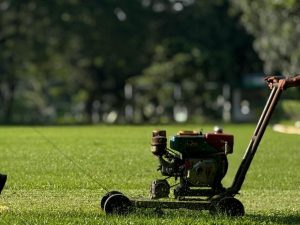
Natural grass might look great at first, but playgrounds put it through serious stress. Repeated foot traffic, rain, and seasonal changes can leave behind bare patches, uneven ground, and slippery mud. These conditions are not just frustrating to maintain. They can also increase the risk of trips and falls.
For parents and property managers, constantly reseeding, mowing, and watering a play area takes time and resources that quickly add up. A more durable surface that holds up through all seasons is a common solution people seek out.

What Makes Synthetic Turf a Better Fit for Play Areas
Modern playground turf has come a long way from the rough, hot surfaces of the past. Today’s materials are designed with children specifically in mind.
Shock Absorption and Fall Protection
One of the most important features of safe synthetic turf for kids playgrounds is the infill system beneath the blades. A proper installation typically includes a shock-absorbing pad or a specific type of infill material that cushions falls. This is especially important under and around play equipment like swings, slides, and climbing structures.
Many installations are designed to meet fall height ratings, meaning the surface is tested to reduce impact injury at specific drop heights. This gives parents and administrators real peace of mind.
Consistent Surface, Rain or Shine
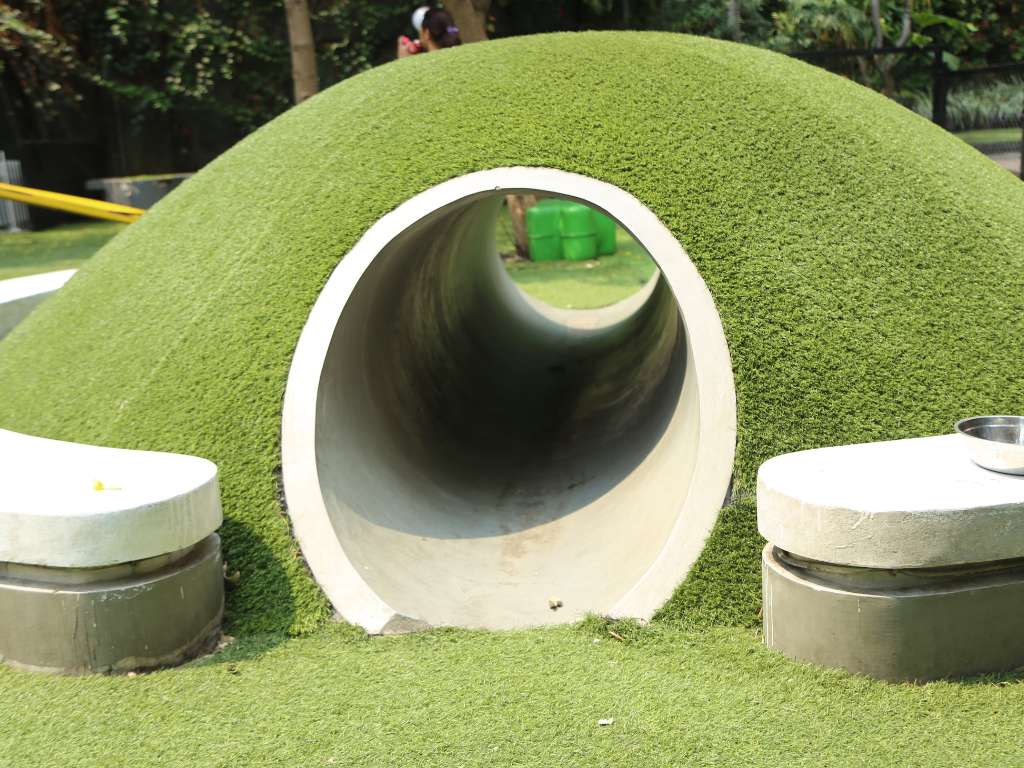
Unlike natural grass, quality playground artificial grass installation Stamford holds its shape and texture regardless of weather. There is no mud after a rainstorm, no dry cracks in summer, and no uneven terrain developing over time. The surface stays predictable, which matters a lot for young children who are still developing balance and coordination.
Low Maintenance Without Sacrificing Cleanliness
Backyard playground turf solutions Stamford CT are popular in part because they dramatically reduce maintenance demands. There is no mowing, watering, or seasonal reseeding involved. Routine care typically includes rinsing the surface occasionally, brushing up the fibers, and removing any debris like leaves or toys.
For pet owners, most synthetic turf systems also allow for easy cleanup and drainage, though it is worth confirming those details with a professional during the planning stage.
Understanding the Challenges Before You Commit
Choosing the right turf system for a playground is not a one-size-fits-all decision. There are factors that can make the process feel overwhelming if you are approaching it for the first time.
Heat retention is a real concern with some synthetic products. On very hot days, turf can absorb and hold heat more than natural grass does. That said, newer products use lighter, heat-reflective fibers and specific infill materials that help address this. Proper shading over play equipment can also make a meaningful difference.
Installation quality matters significantly. The base preparation, drainage design, and seaming between turf sections all affect how the surface performs and how long it lasts. A rushed or poorly planned installation can lead to drainage issues or uneven areas developing over time.
It is always worth working with someone who has direct experience with playground-specific installations, not just general landscaping turf, since the requirements are different.
What to Look for in a Playground Turf System
When evaluating your options for artificial turf for playground Stamford CT settings, a few key factors should guide your decision.
- Blade height and density: Shorter, denser fibers tend to perform better under heavy use in playgrounds compared to longer decorative turf.
- Infill type: Crumb rubber, organic infill, and sand all have different performance and safety profiles. Ask questions about what is being used and why.
- Drainage capacity: A well-designed system should drain quickly to prevent water pooling.
- Certifications and testing: Look for products that have been independently tested for lead content, fall attenuation, and other safety standards.
Key Takeaways
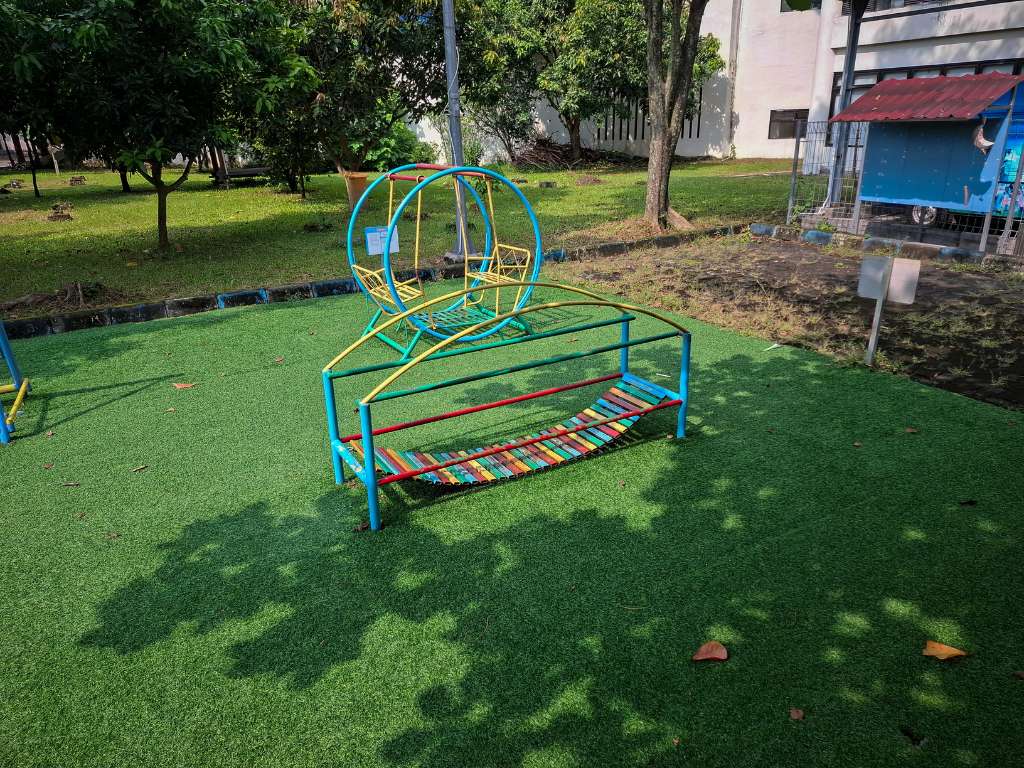
Synthetic turf can be an excellent solution for playgrounds when the right system is selected and installed properly. It offers a consistent, safe footing for children, dramatically reduces ongoing maintenance, and holds up well under the kind of daily stress that wears out natural grass quickly.
That said, making an informed decision takes some research. Understanding the difference between decorative turf and playground-grade systems, knowing what questions to ask about infill and drainage, and ensuring quality installation will determine how well your play area performs over the long run.
If you are exploring playground artificial grass installation in Stamford and would like guidance tailored to your specific space, Rosado Landscaping & Design is available to help you think through the right approach for your project.
Frequently Asked Questions
Is synthetic turf safe for young children?
Yes, when the right product is chosen and installed correctly. Playground-grade synthetic turf is specifically designed with safety standards in mind, including impact absorption and materials testing. It is important to select turf that meets recognized safety certifications.
How hot does synthetic turf get in summer?
Some synthetic turf can retain heat on very hot days, especially under direct sunlight. Newer turf products use heat-reflective technology and lighter infill options to reduce this effect. Providing shade over the play area also helps significantly.
How long does playground turf typically last?
With proper installation and routine maintenance, quality playground turf generally lasts between 10 and 15 years. Factors like usage intensity, exposure to UV light, and how well the base was prepared all affect the lifespan.
Does synthetic turf drain well after rain?
A properly installed system should drain quickly and efficiently. The base layer is designed to allow water to pass through, preventing pooling on the surface. Poor drainage is usually a sign of an installation issue rather than a product defect, which is why base preparation matters so much.