A lush, green lawn can enhance the look and usability of any outdoor space—but maintaining natural grass isn’t always easy. Between watering, mowing, fertilizing, and seasonal maintenance, many homeowners begin exploring alternatives that require less upkeep. If you’re researching the best synthetic turf Milford CT, it’s important to understand what makes one turf product more suitable than another.
This guide will help you identify key qualities to look for when selecting artificial turf so your lawn stays durable, realistic, and easy to maintain for years to come.
Understanding Your Landscape Needs First
Before choosing a turf product, it helps to think about how your outdoor space will actually be used. Different landscapes have different needs, and the right turf often depends on traffic levels, sun exposure, and surrounding features.
For example, a backyard designed for entertaining may require stronger fibers that can handle frequent foot traffic. A small garden space, on the other hand, may prioritize a softer feel and natural appearance.
Homeowners exploring artificial turf options for residential landscapes often consider factors such as:
- Areas where natural grass struggles to grow
- Spaces used by pets or children
- Sloped yards that are difficult to maintain
- Decorative landscaping areas around patios or walkways
Understanding the purpose of your lawn helps narrow down the types of turf that will perform best over time.
Key Features That Affect Turf Quality
Not all synthetic turf products are built the same. Several construction details influence how durable, realistic, and comfortable the turf will be.
Some important features to evaluate include:
- Blade shape and texture – Different blade shapes help turf fibers stand upright and resist flattening from foot traffic.
- Pile height – Taller blades often create a more natural look, while shorter blades may be better for high-traffic areas.
- Density and stitch rate – Denser turf typically looks fuller and holds its structure longer.
- Backing material – A strong backing layer improves drainage and helps the turf stay securely in place.
When homeowners research synthetic grass installation in Milford CT, they often discover that these structural details make a noticeable difference in long-term performance.

Drainage and Base Preparation Matter More Than Many Realize
Even the highest-quality turf can perform poorly without proper installation. One of the most important parts of a successful turf system is the base layer beneath it.
A properly prepared base helps ensure:
- Efficient water drainage after rain
- A smooth, even surface for walking
- Reduced shifting or wrinkling over time
- Better durability under repeated use
Professional installers typically use compacted crushed stone or a similar material to create a stable foundation. This preparation helps support low-maintenance turf solutions in Milford, especially in areas that experience seasonal weather changes.
How Turf Appearance Impacts Long-Term Satisfaction
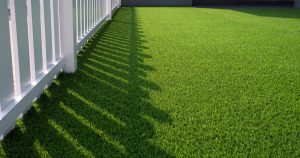
While durability is important, many homeowners also want turf that looks natural year-round. Modern turf products are designed with multiple shades of green and brown fibers to mimic the color variations found in real grass.
When evaluating turf samples, it may help to view them outdoors in natural lighting. This makes it easier to see how the fibers reflect sunlight and how closely the texture resembles natural grass.
These visual details often make a difference when choosing the best synthetic turf Milford CT, particularly for front yards or spaces visible from the street.
Why Choosing the Right Turf Can Feel Overwhelming
For many homeowners, selecting synthetic turf can feel more complicated than expected. With many materials, styles, and installation methods available, it’s easy to feel unsure about which option will perform best in your yard.
Weather conditions, soil conditions, drainage needs, and landscape design can all influence the outcome of a turf project. Understanding these variables often helps homeowners make more confident decisions and avoid common installation issues.
Landscaping professionals typically evaluate the entire property layout before recommending specific turf systems, ensuring the final result works well with the surrounding environment.

Conclusion
Choosing artificial turf involves more than selecting a product that simply looks good. The most successful installations take into account how the lawn will be used, the construction of the turf itself, and the quality of the base preparation beneath it.
By paying attention to durability, drainage, appearance, and installation methods, homeowners can feel more confident when searching for the best synthetic turf Milford CT for their property. Taking the time to evaluate these factors often leads to a lawn that stays attractive and easy to maintain for many years.
If you’d like to learn more or explore support options, Rosado Landscaping & Design is available to help.
Quick FAQ
How long does synthetic turf typically last?
Most high-quality artificial turf systems can last 15–20 years, depending on usage, installation quality, and maintenance practices.
Does artificial turf require any maintenance?
While it eliminates mowing and watering, occasional brushing, debris removal, and rinsing can help keep the turf looking its best.
Is synthetic turf safe for pets and children?
Many modern turf products are designed with safety in mind and include non-toxic materials and proper drainage systems.
Can artificial turf handle heavy rainfall?
Yes. Well-installed turf systems include drainage layers that allow water to flow through the surface and into the base beneath it.