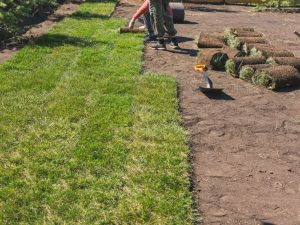
In today’s world, where urbanization often comes at the cost of our natural environment, creating nature-friendly yards has become more important than ever. This is especially true in areas like Fairfield County, Connecticut, where the balance between suburban living and preserving natural beauty is crucial. Let’s explore how environmental landscaping can help homeowners create harmonious, eco-friendly outdoor spaces.
The Importance of Nature-Friendly Yards
Nature-friendly yards do more than just look beautiful; they play a vital role in supporting local ecosystems. By incorporating native plants, reducing chemical use, and creating habitats for wildlife, homeowners can contribute to biodiversity and environmental health. In Fairfield County, where the landscape ranges from coastal areas to rolling hills, environmental landscaping Fairfield County CT practices can help maintain the region’s natural character while providing beautiful outdoor spaces for residents.
Key Elements of Nature-Friendly Yard Design
- Native Plant Selection
One of the cornerstones of environmental landscaping is the use of native plants. These species are adapted to the local climate and soil conditions, requiring less water and maintenance. They also provide food and shelter for local wildlife, including birds, butterflies, and beneficial insects. Some popular native plants for Fairfield County include:
- Eastern Redbud
- Black-Eyed Susan
- New England Aster
- Butterfly Weed
- Water Conservation Techniques
Efficient water use is crucial in creating a sustainable landscape. Environmental landscaping often incorporates techniques such as:
- Rain gardens to capture and filter runoff
- Drought-resistant plantings
- Efficient irrigation systems
- Rainwater harvesting
These methods not only conserve water but also help prevent soil erosion and protect local water quality.
- Creating Wildlife Habitats
A nature-friendly yard should provide habitats for local wildlife. This can include:
- Bird feeders and baths
- Butterfly gardens
- Small ponds or water features
- Brush piles or rock gardens for small animals
By incorporating these elements, homeowners can turn their yards into mini-ecosystems that support local biodiversity.
Sustainable Practices in Yard Maintenance
Maintaining a nature-friendly yard involves more than just design; it requires sustainable practices. Environmental landscaping Fairfield County CT professionals often recommend:
- Organic Lawn Care
Switching to organic fertilizers and pest control methods can significantly reduce the environmental impact of your yard. This approach not only protects beneficial insects and soil microorganisms but also ensures a safer environment for pets and children.
- Composting
Composting yard waste and kitchen scraps provides a natural, nutrient-rich soil amendment. This reduces the need for chemical fertilizers and helps improve soil structure and water retention.
- Responsible Pruning and Mowing
Proper pruning techniques and mowing practices can promote healthier plant growth and reduce waste. For instance, leaving grass clippings on the lawn can return nutrients to the soil, reducing the need for additional fertilization.
The Benefits of Environmental Landscaping
Embracing environmental landscaping offers numerous benefits:
- Lower Maintenance Costs
Nature-friendly yards often require less maintenance over time, as native plants are adapted to local conditions and require less intervention.
- Increased Property Value
Well-designed, eco-friendly landscapes can enhance property values by creating attractive, low-maintenance outdoor spaces.
- Environmental Impact
By supporting local ecosystems and reducing chemical use, homeowners can contribute to broader environmental conservation efforts.
- Personal Well-being
Connecting with nature in your own backyard can reduce stress and improve overall well-being.
Overcoming Challenges in Nature-Friendly Yard Design
While the benefits of environmental landscaping are clear, there can be challenges in implementation:
- Balancing Aesthetics and Ecology
Some homeowners worry that a nature-friendly yard might look “messy” or unkempt. However, with proper design and plant selection, it’s possible to create a yard that is both visually appealing and ecologically beneficial.
- Neighborhood Norms
In some areas, there may be pressure to maintain a traditional lawn. Education and community outreach can help shift perceptions and promote the acceptance of more diverse, nature-friendly landscapes.
- Initial Investment
While nature-friendly yards can save money in the long run, there may be upfront costs associated with redesigning and replanting. Many homeowners find that the long-term benefits outweigh these initial expenses.
Conclusion
Creating a nature-friendly yard through environmental landscaping Fairfield County CT is a rewarding endeavor that benefits both homeowners and the local ecosystem. By incorporating native plants, implementing sustainable practices, and creating habitats for wildlife, you can transform your outdoor space into a harmonious, eco-friendly oasis. Not only will you enjoy a beautiful, low-maintenance yard, but you’ll also be contributing to the preservation of Fairfield County’s natural beauty and biodiversity.
As more homeowners embrace these principles, we can look forward to a greener, more sustainable future where our yards serve as sanctuaries for both people and nature. Whether you’re starting from scratch or looking to make gradual changes, the journey towards a nature-friendly yard promises lasting rewards for you and the environment.